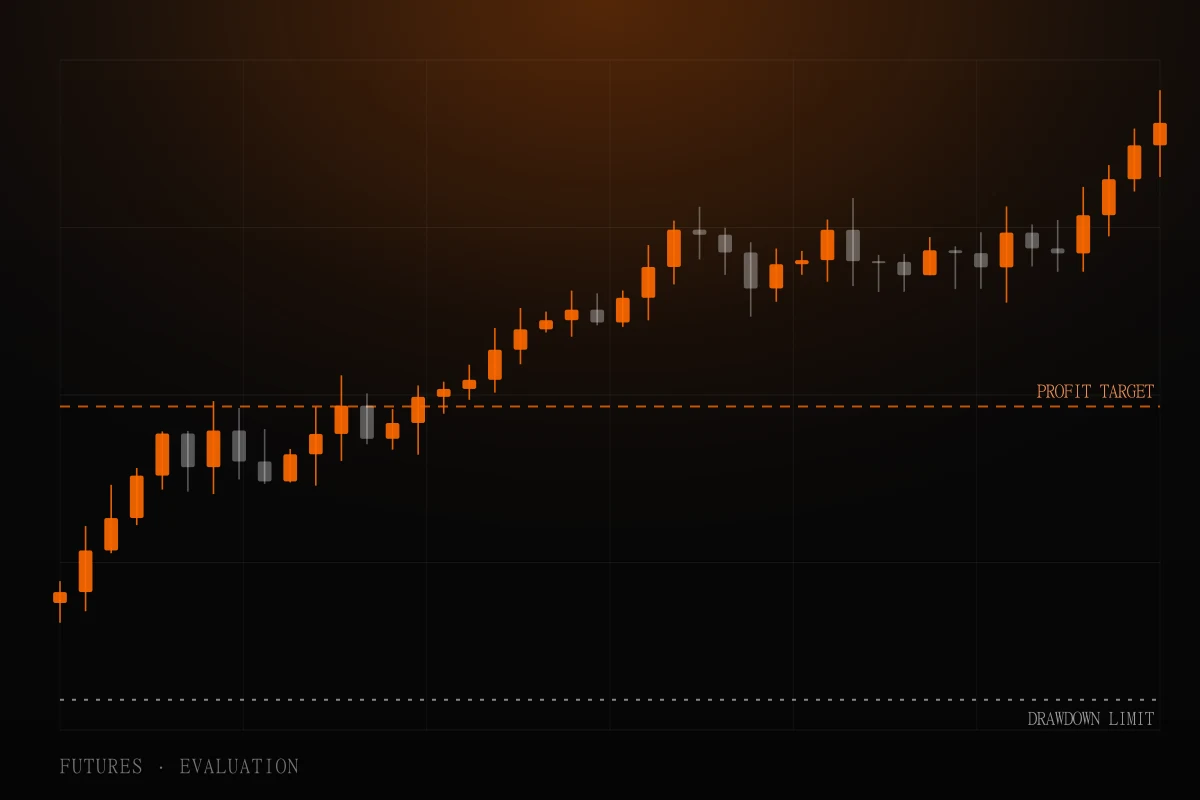
 Prop Firms
What is a futures prop firm, and is the fee worth it?
Evaluation fees are not the cost of a shortcut. Here is how the money, the rules and the payout actually work.
 Trading Process
A journal only earns its keep if it changes what you do next week. These five fields, and a 20-minute weekly review, are the whole system.
by XSR CommunityJanuary 24, 2026- 7 min read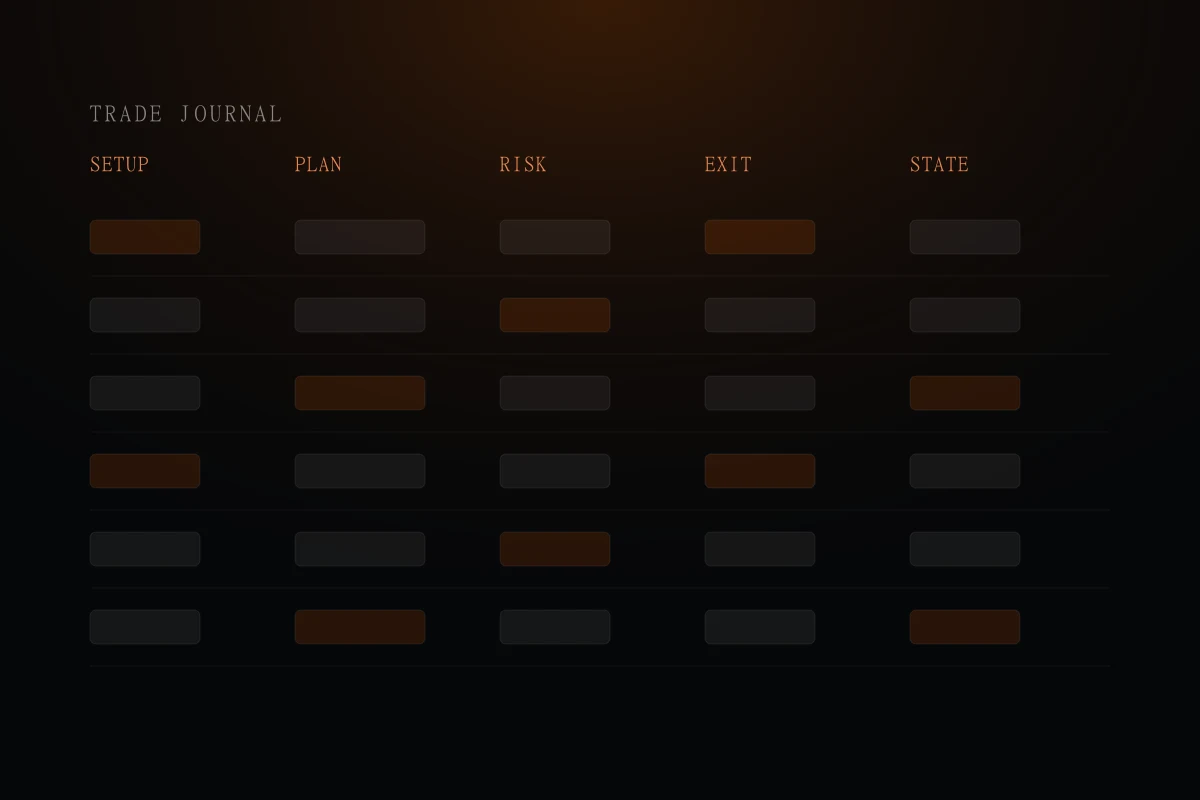
Screenshot, entry, exit, profit. That is a diary. It tells you what happened, not why, and it cannot tell you what to change.
A useful journal has to capture the decision, not just the outcome. The decision is where the repeatable part of your edge lives — and where the expensive habits hide.
Keep it small enough that you will actually fill it in. These five take under a minute per trade:
What were you waiting for, in one sentence?
Was the entry in your pre-market zone, or improvised?
Size in R, and whether it matched your cap.
Rule-based, or emotion-based? Be honest.
Calm, bored, frustrated, over-confident. One word is enough.
Once a week, read the journal without looking at the P&L first. Count plan-adherence before you count money. If adherence is high and you are still losing, the setup needs work. If adherence is low, the setup does not matter yet.
Then pick exactly one thing to fix for the next week. One. Traders who try to fix five habits at once fix none.
A losing week with perfect adherence is information: your edge may need a different market or a wider target. A winning week with three impulse trades is a warning.
Judge the week by the process, not the number. The number will follow the process — just not on your schedule.
If your journal cannot tell you what to change next week, it is a receipt, not a system.
Prop FirmsEvaluation fees are not the cost of a shortcut. Here is how the money, the rules and the payout actually work.
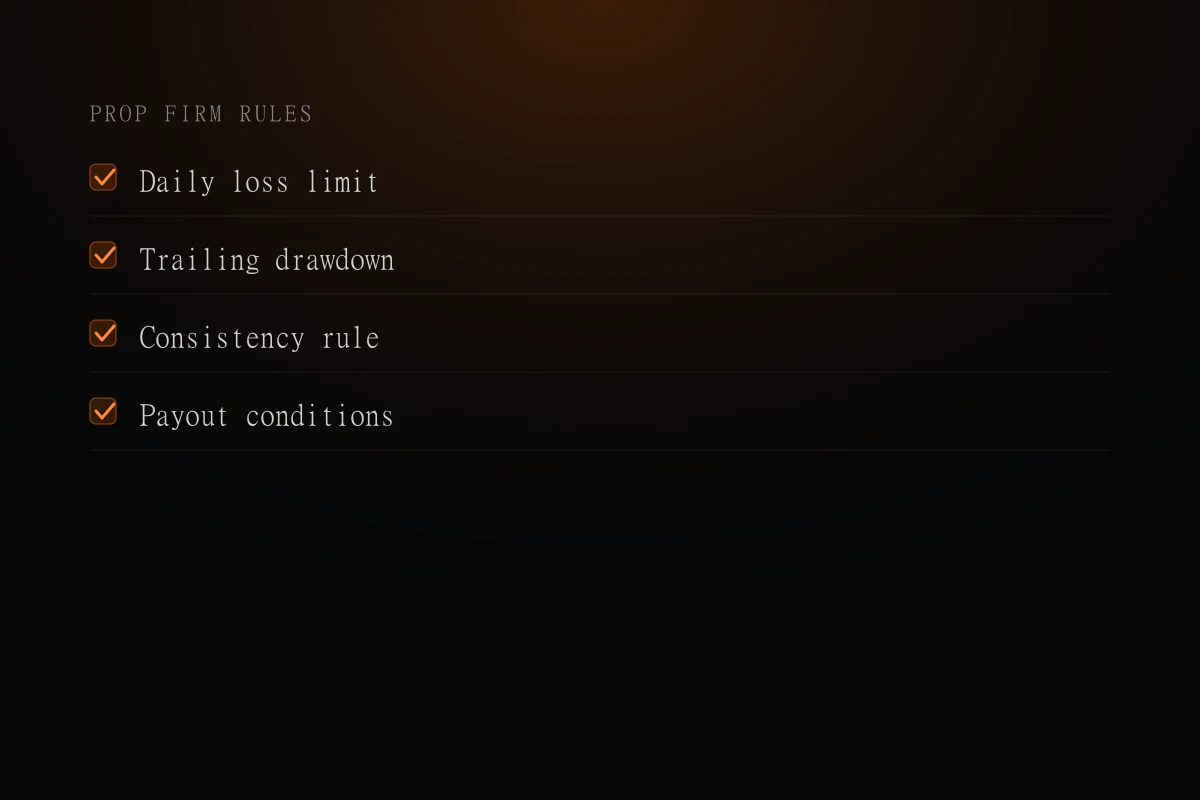 Rules
RulesDaily loss limits, trailing drawdown, consistency rules and payout conditions — the four clauses worth reading twice.
 Method
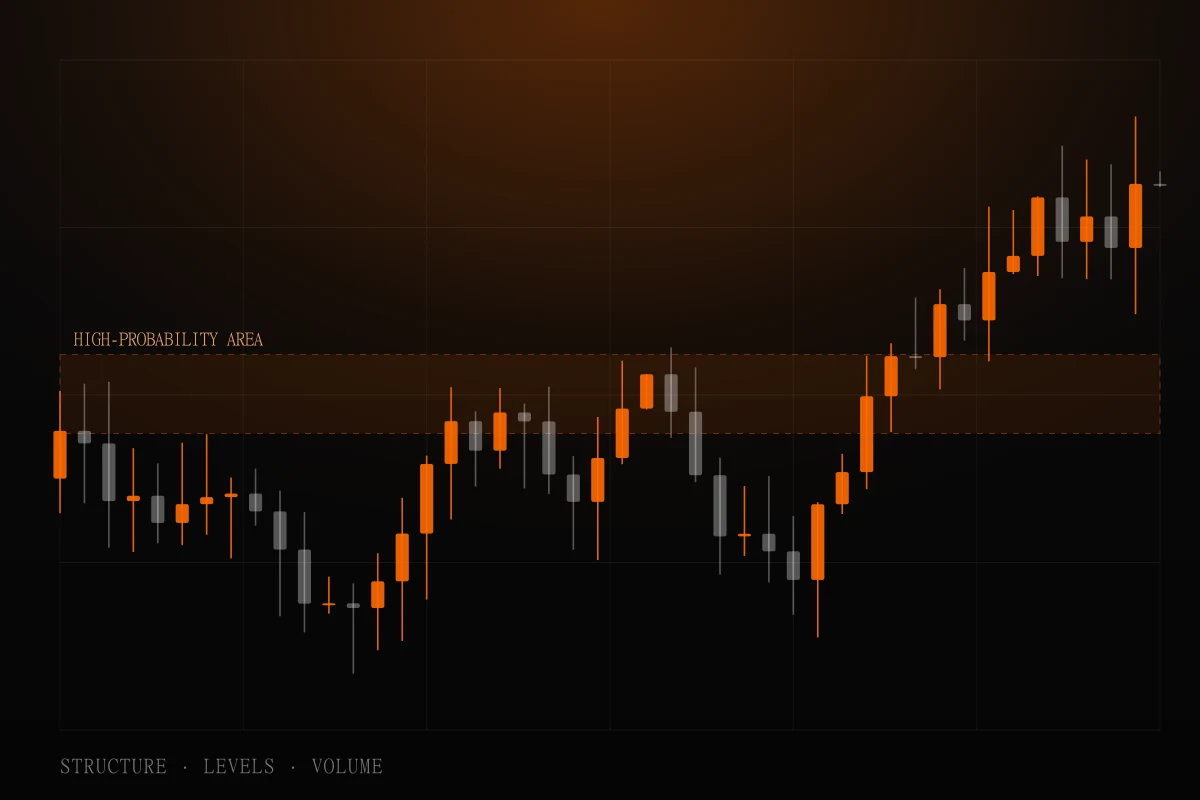
The method is not about predicting direction. It is about defining the area where you have an edge — and doing nothing everywhere else.